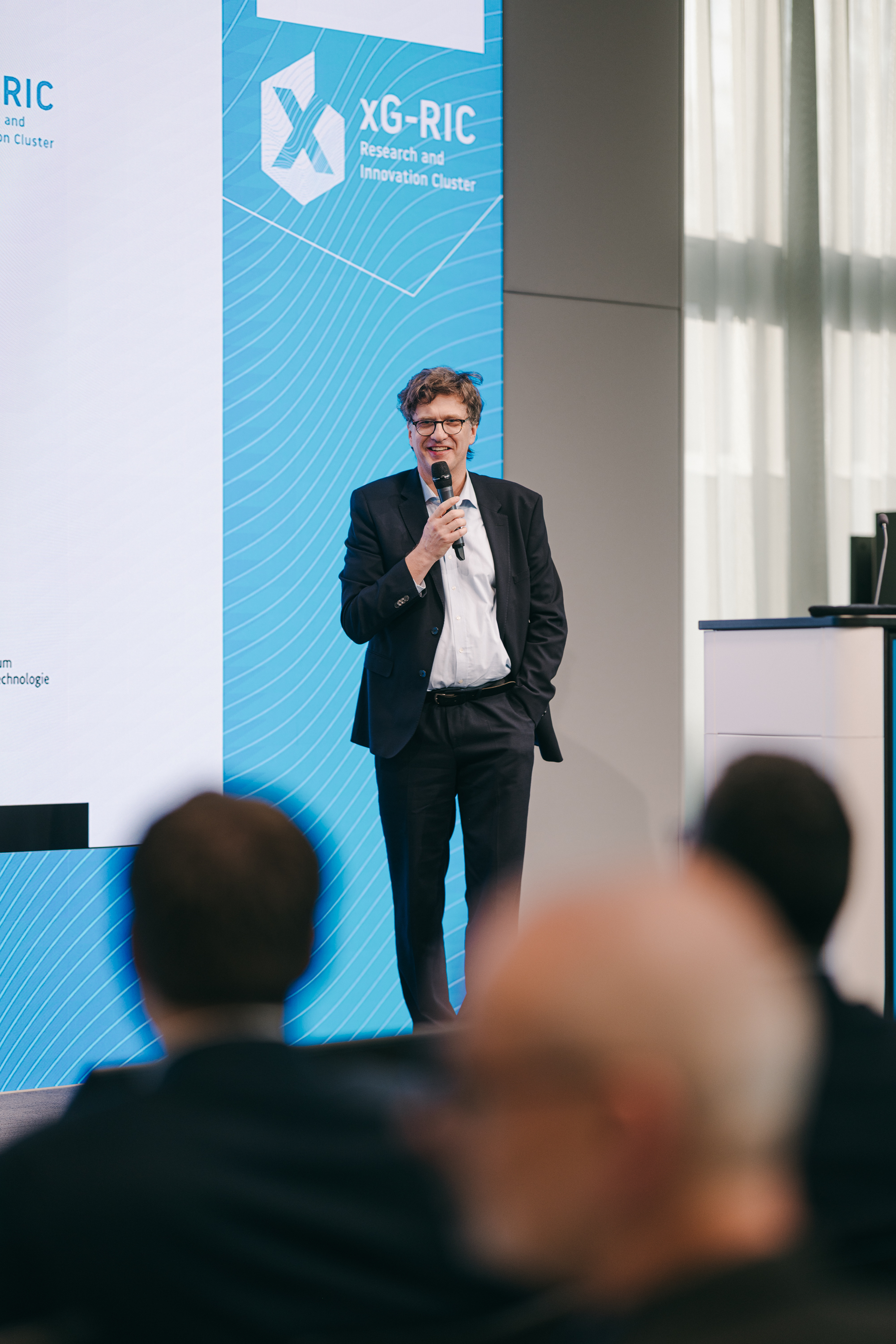
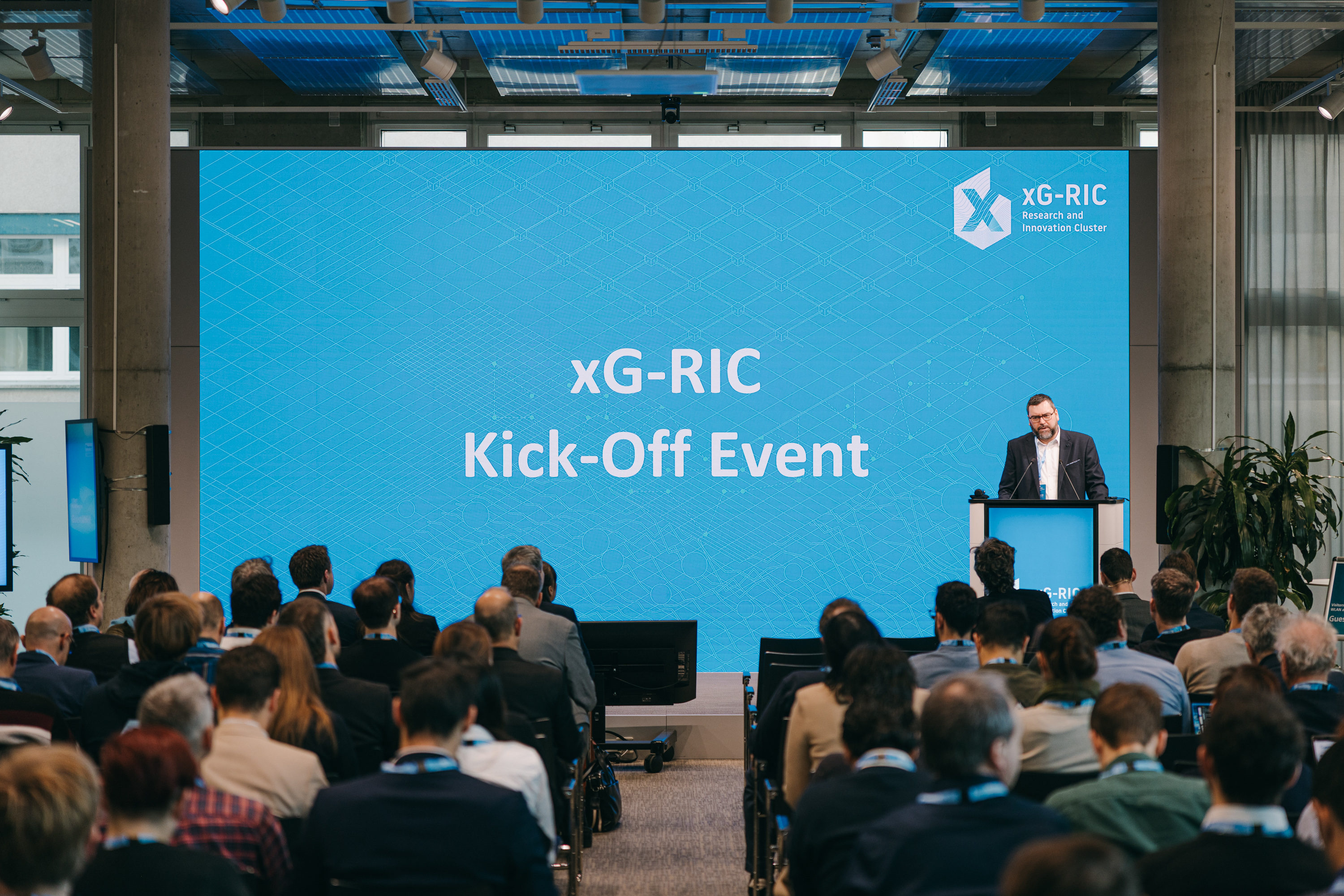
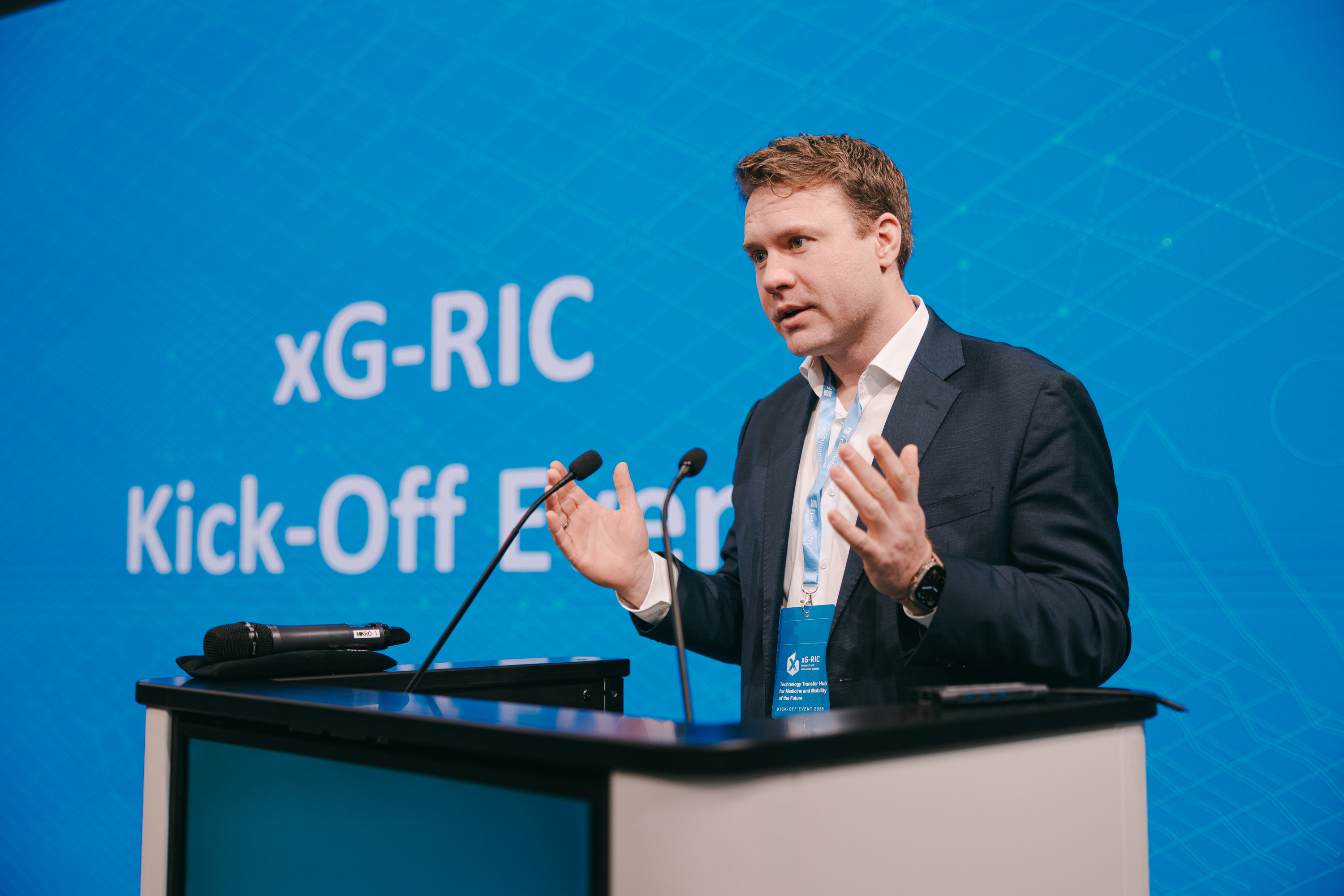
On February 20, 2026, we officially marked the public kick-off of the Technology Transfer Hub for Medicine and Mobility of the Future (xG-RIC) at Fraunhofer Heinrich Hertz Institute HHI in Berlin, welcoming 120 participants from research, industry, and politics. The event represents a key milestone following the project launch at the Bundesministerium für Forschung, Technologie und Raumfahrt and the internal consortium kick-off.
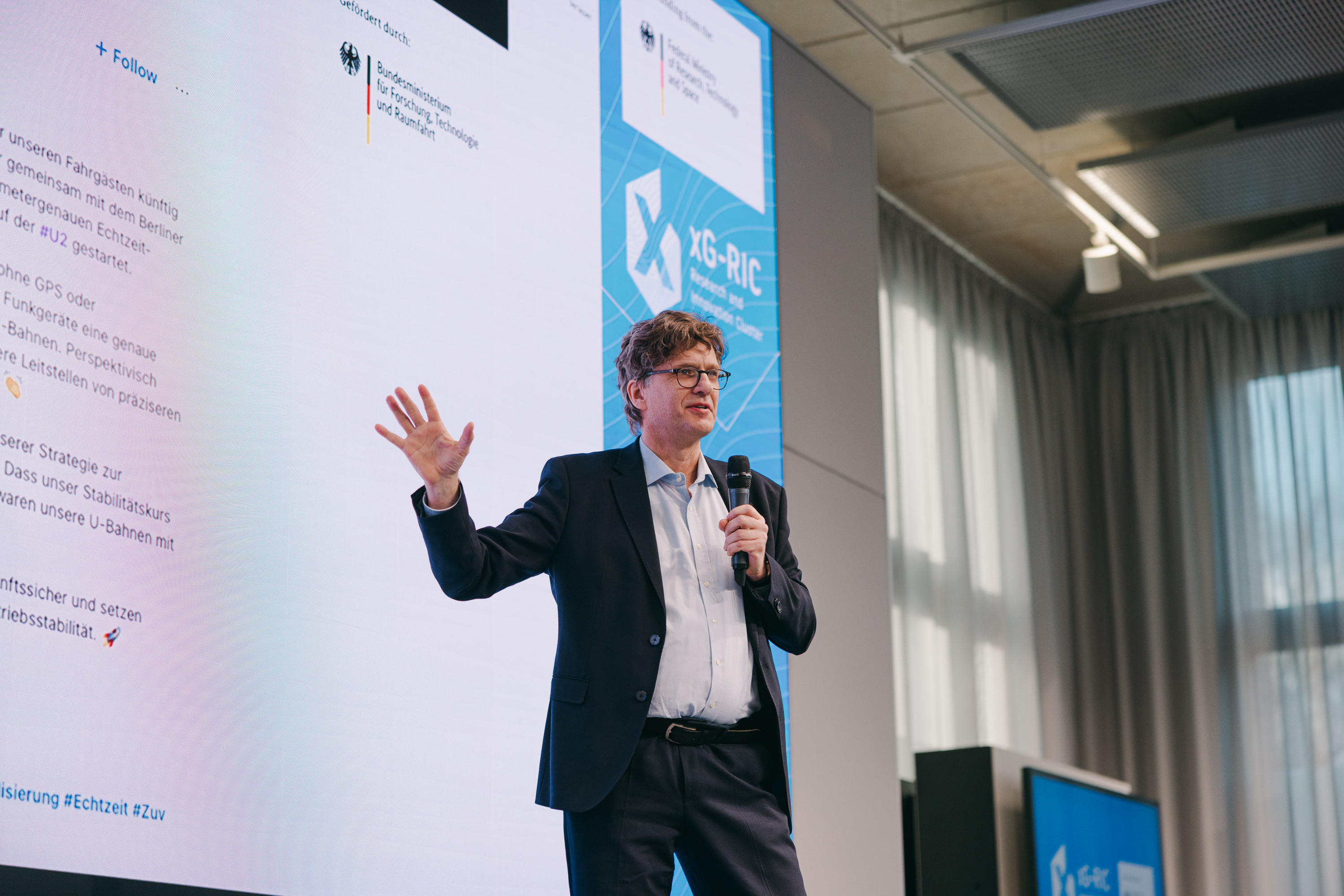
Coordinated by Prof. Slawomir Stanczak, xG-RIC aims to accelerate the transfer of key 6G technologies into practical applications. Moderated by Christof Kerkmann from Handelsblatt, the program featured opening remarks by Dr. Dirk Ziemann from BMFTR and Sebastian Askar from the State of Berlin.
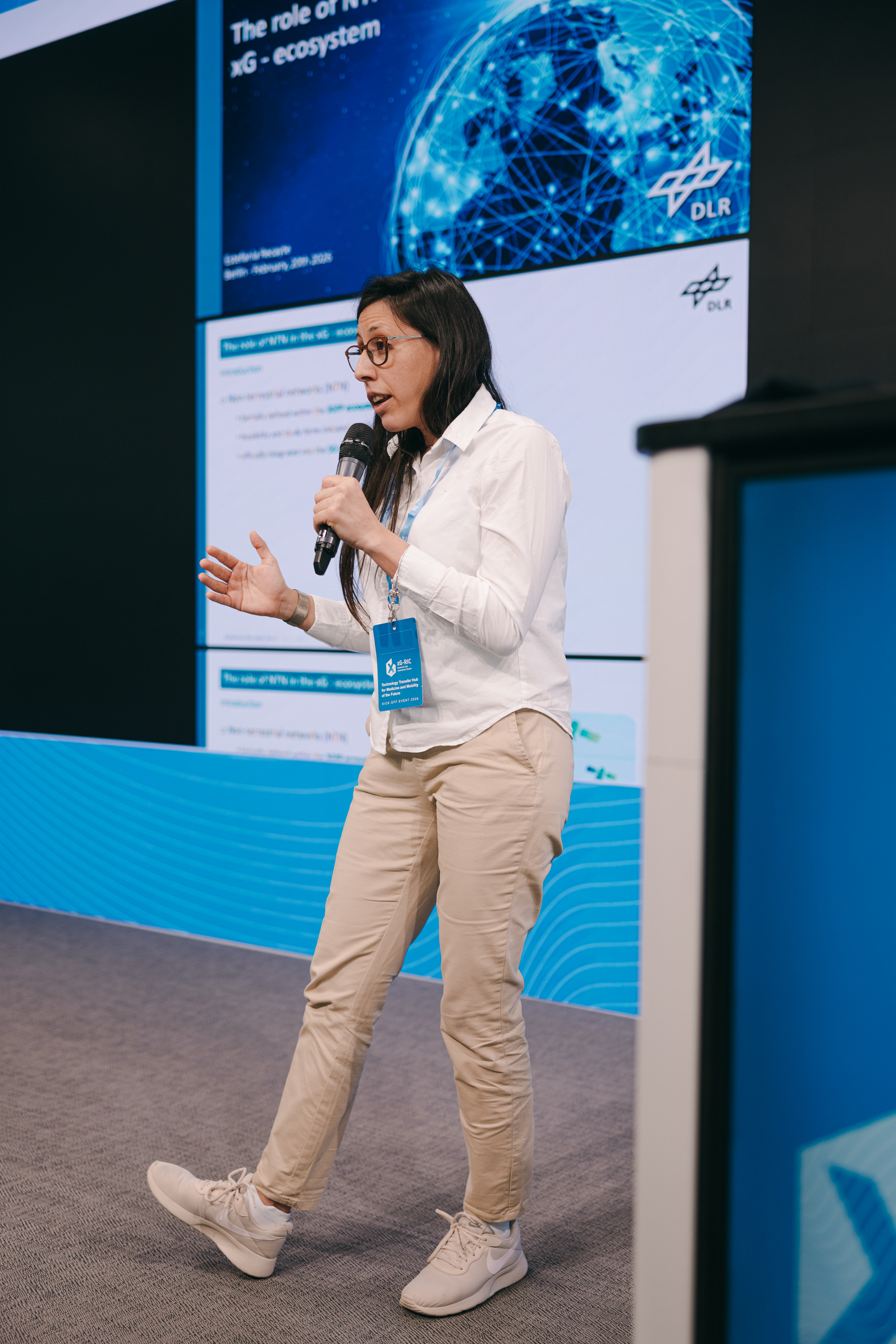
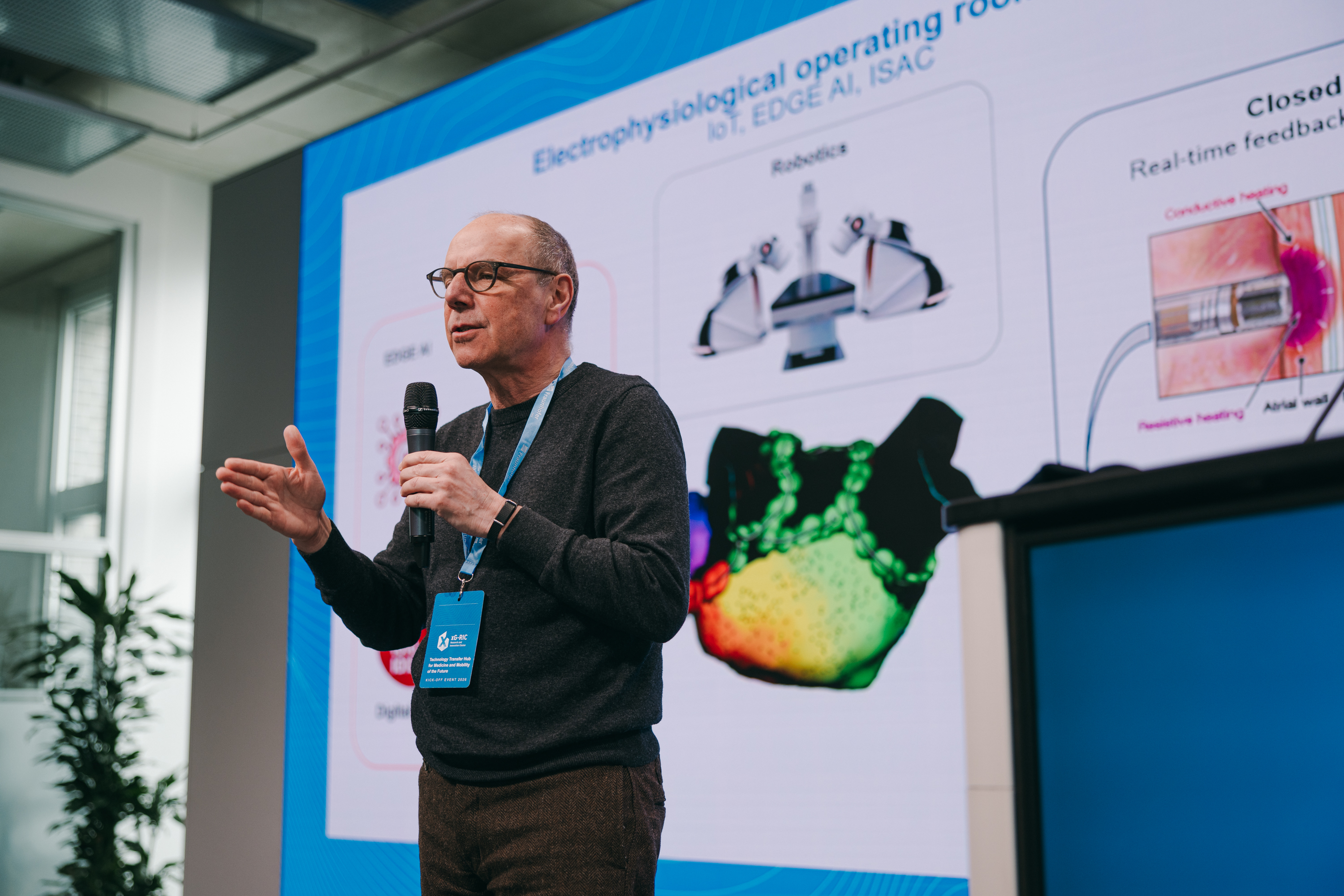
Application-driven use cases in connected mobility and digital medicine were presented by Dr.-Ing. Frank Hofmann from Robert Bosch GmbH and Prof. Dr. med. Gerhard Hindricks from Charité - Universitätsmedizin Berlin. Estefanía Recayte from the Deutsches Zentrum für Luft-und Raumfahrt e.V. DLR provided insights into the role of Non-Terrestrial Networks (NTN) within the xG-ecosystem.
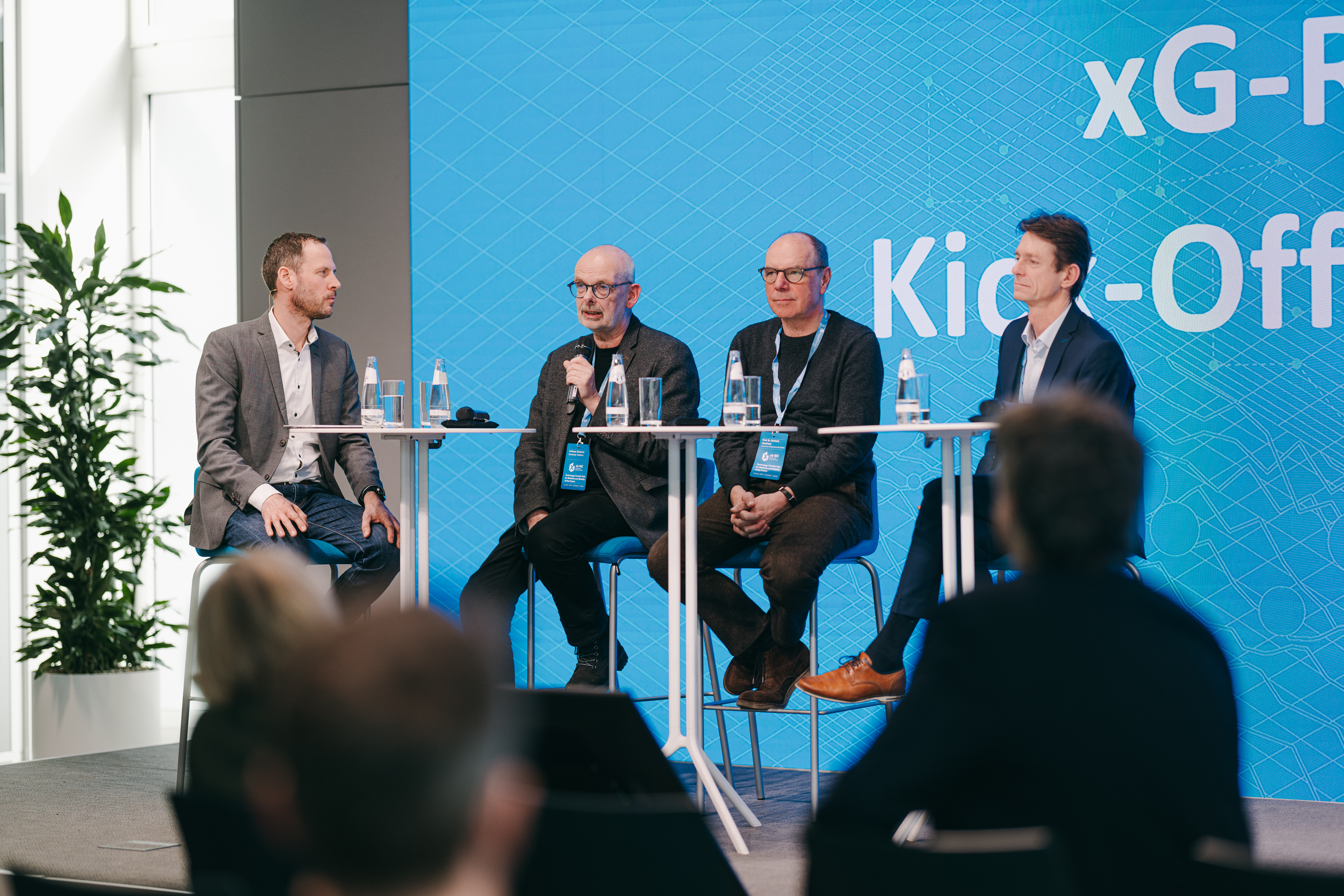
Further sessions addressed the interplay between research and open testing environments, presented by Dr. Andreas Gladisch from Deutsche Telekom, as well as Open Air Interface development for ecosystem support by Leszek Raschkowski from Fraunhofer HHI and Dr. Martin Kasparick from airpuls GmbH. A panel discussion on technological sovereignty and 6G in the context of mobility, medicine, and critical infrastructures complemented the program.
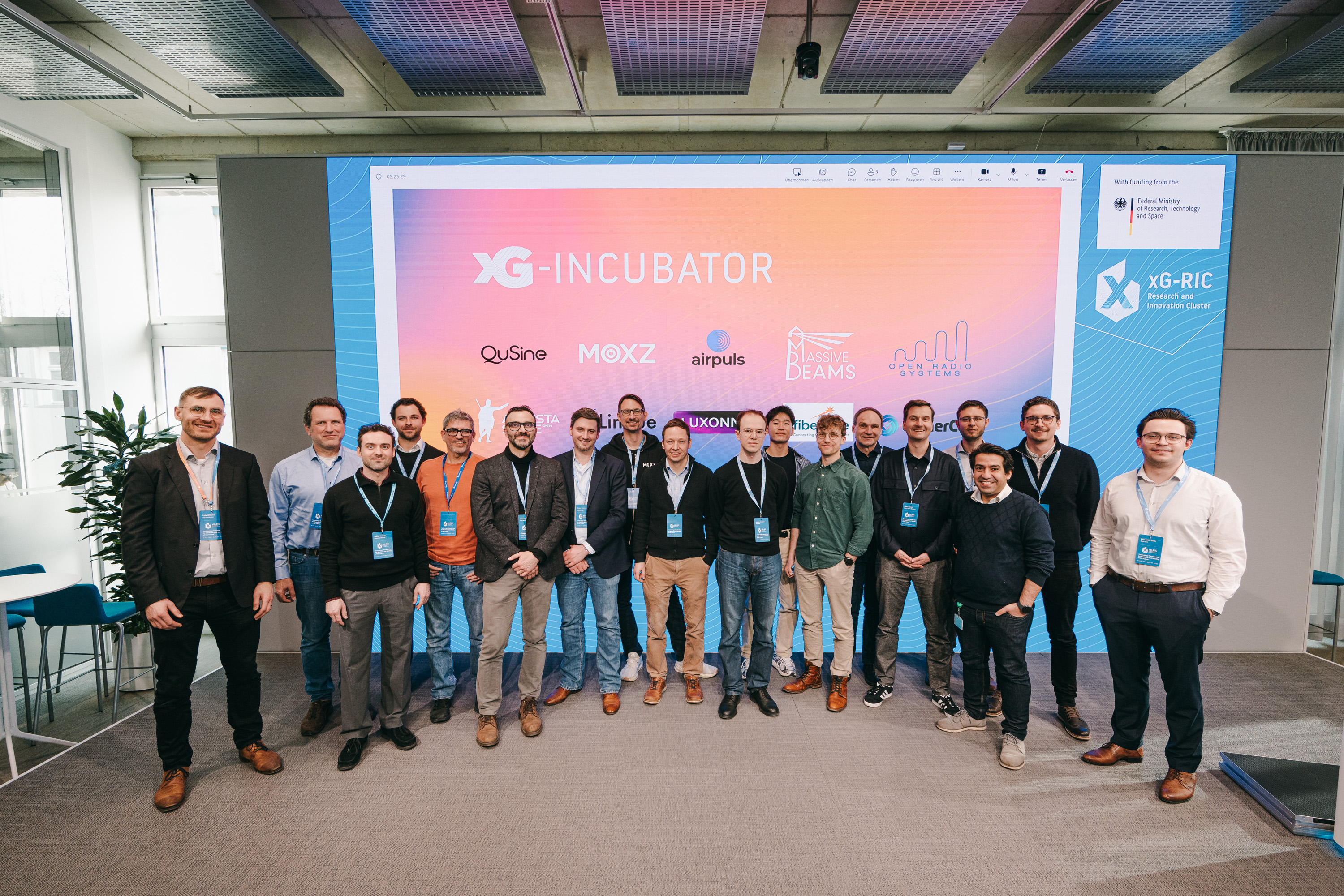
The xG-Incubator program, together with its current startups and recently onboarded teams, presented their latest technological developments. Thank you to Peter Hertenstein (Qusine), Philipp Walk (MOXZ), Martin Kasparick (airpuls GmbH), Fabian Göttsch (Massive Beams), Stefan Valentin (Open Radio Systems), Matteo Berioli (Augusta Space), Victor Funk (Linque), In-Ho Baek (luxonnic), Max Julius Bode (fiberlike), and Felix Klement (CipherCell) for showcasing your innovative solutions!
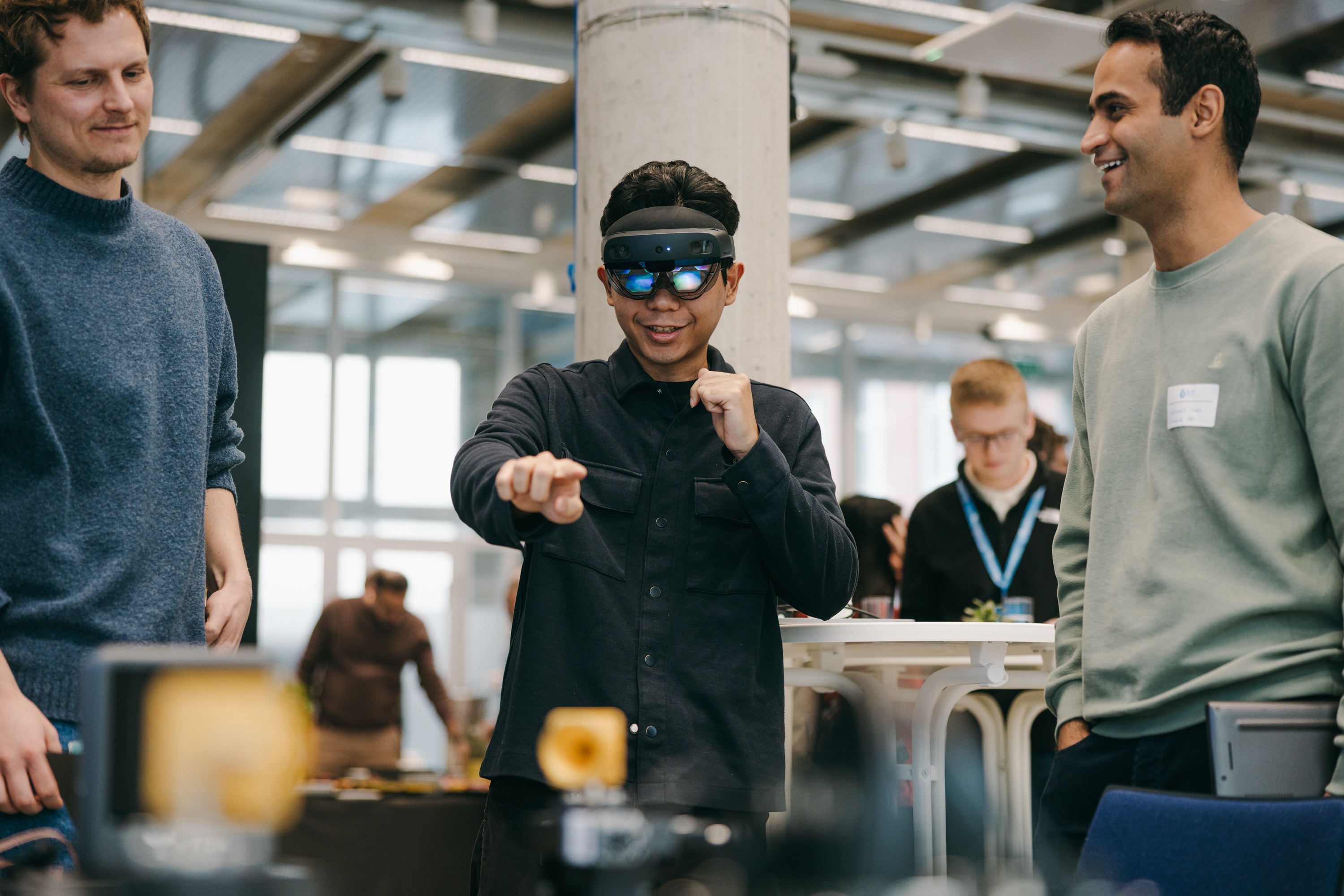
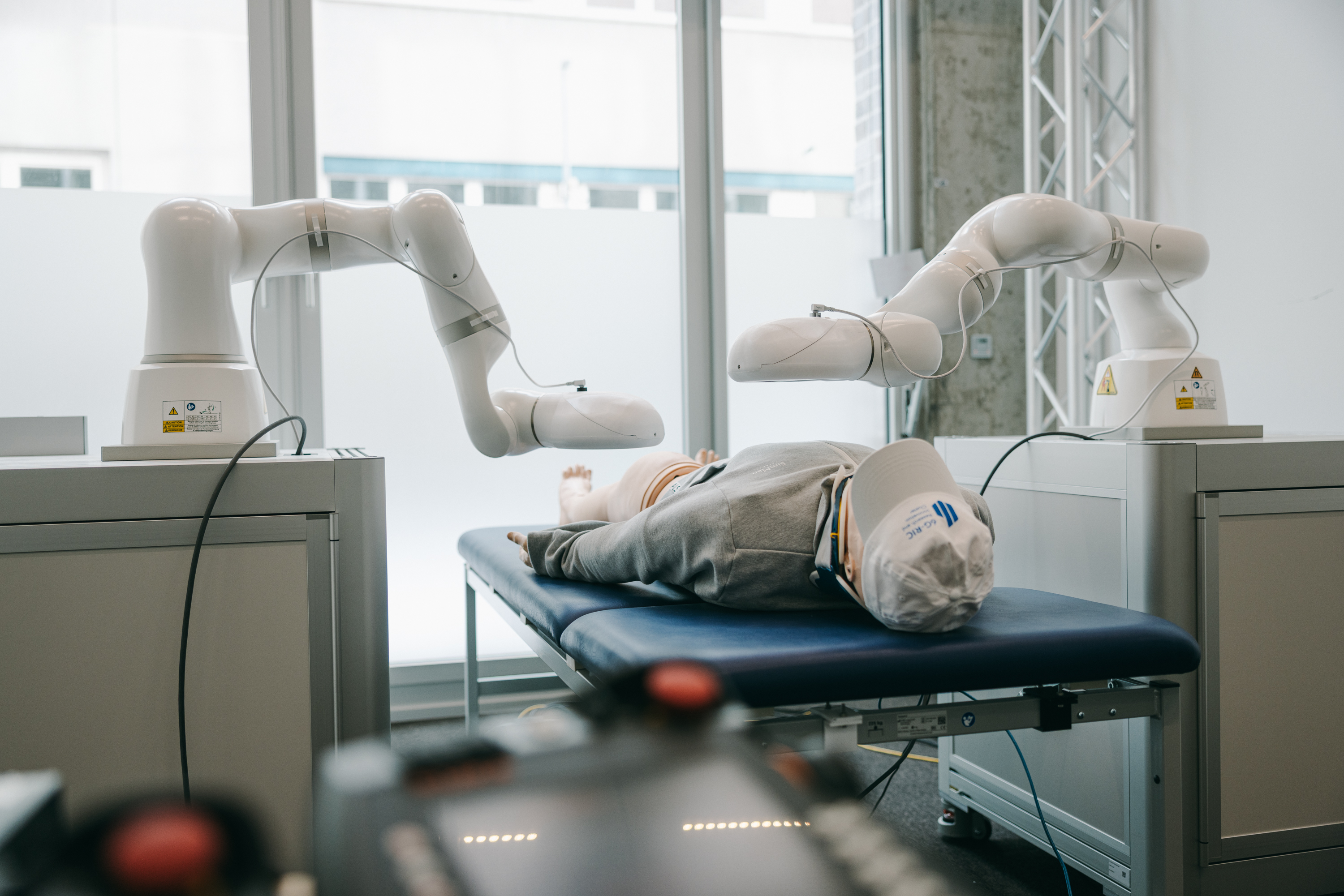
Live demonstrations rounded off the event, providing hands-on insights into emerging technologies while strengthening exchange and collaboration within the growing 6G ecosystem.
We are pleased to officially launch this new phase, contributing to the development of a strong national 6G ecosystem. 6G is far more than the next generation of mobile communications - it enables new applications for industry and society, strengthens technological sovereignty, and enhances the international competitiveness of Germany and Europe as leading innovation hubs.
Thanks to our partners: Deutsches Zentrum für Luft- und Raumfahrt e.V., Technische Universität Berlin, Deutsches Herzzentrum der Charité (DHZC), FAU Erlangen-Nürnberg, Fraunhofer HHI, Fraunhofer IAF, Fraunhofer IIS, IHP & Technische Universität Braunschweig;
The xG-RIC Transfer Hub is funded by the Bundesministerium für Forschung, Technologie und Raumfahrt, co-funded by the European Union and the federal states of Berlin, Brandenburg, Bavaria, Lower Saxony, and Baden Wuerttemberg. The hub is supported by VDI/VDE Innovation + Technik GmbH.


On February 20, 2026, we officially marked the public kick-off of the Technology Transfer Hub for Medicine and Mobility of the Future (xG-RIC) at Fraunhofer Heinrich Hertz Institute HHI in Berlin, welcoming 120 participants from research, industry, and politics. The event represents a key milestone following the project launch at the Bundesministerium für Forschung, Technologie und Raumfahrt and the internal consortium kick-off.
Coordinated by Prof. Slawomir Stanczak, xG-RIC aims to accelerate the transfer of key 6G technologies into practical applications. Moderated by Christof Kerkmann from Handelsblatt, the program featured opening remarks by Dr. Dirk Ziemann from BMFTR and Sebastian Askar from the State of Berlin.
Application-driven use cases in connected mobility and digital medicine were presented by Dr.-Ing. Frank Hofmann from Robert Bosch GmbH and Prof. Dr. med. Gerhard Hindricks from Charité - Universitätsmedizin Berlin. Estefanía Recayte from the Deutsches Zentrum für Luft-und Raumfahrt e.V. DLR provided insights into the role of Non-Terrestrial Networks (NTN) within the xG-ecosystem.
Further sessions addressed the interplay between research and open testing environments, presented by Dr. Andreas Gladisch from Deutsche Telekom, as well as Open Air Interface development for ecosystem support by Leszek Raschkowski from Fraunhofer HHI and Dr. Martin Kasparick from airpuls GmbH. A panel discussion on technological sovereignty and 6G in the context of mobility, medicine, and critical infrastructures complemented the program.
The xG-Incubator program, together with its current startups and recently onboarded teams, presented their latest technological developments. Thank you to Peter Hertenstein (Qusine), Philipp Walk (MOXZ), Martin Kasparick (airpuls GmbH), Fabian Göttsch (Massive Beams), Stefan Valentin (Open Radio Systems), Matteo Berioli (Augusta Space), Victor Funk (Linque), In-Ho Baek (luxonnic), Max Julius Bode (fiberlike), and Felix Klement (CipherCell) for showcasing your innovative solutions!
Live demonstrations rounded off the event, providing hands-on insights into emerging technologies while strengthening exchange and collaboration within the growing 6G ecosystem.
We are pleased to officially launch this new phase, contributing to the development of a strong national 6G ecosystem. 6G is far more than the next generation of mobile communications - it enables new applications for industry and society, strengthens technological sovereignty, and enhances the international competitiveness of Germany and Europe as leading innovation hubs.
Thanks to our partners: Deutsches Zentrum für Luft- und Raumfahrt e.V., Technische Universität Berlin, Deutsches Herzzentrum der Charité (DHZC), FAU Erlangen-Nürnberg, Fraunhofer HHI, Fraunhofer IAF, Fraunhofer IIS, IHP & Technische Universität Braunschweig;
The xG-RIC Transfer Hub is funded by the Bundesministerium für Forschung, Technologie und Raumfahrt, co-funded by the European Union and the federal states of Berlin, Brandenburg, Bavaria, Lower Saxony, and Baden Wuerttemberg. The hub is supported by VDI/VDE Innovation + Technik GmbH.


Funded BY

Supported BY

Info
Contact
Fraunhofer Heinrich-Hertz-Institut, HHI
Prof. Dr.-Ing. Slawomir Stanczak
Einsteinufer 37
D–10587 Berlin
Links

Funded BY

Supported BY

Info
Fraunhofer Heinrich-Hertz-Institut, HHI
Prof. Dr.-Ing. Slawomir Stanczak
Einsteinufer 37
D–10587 Berlin
Contact
Links