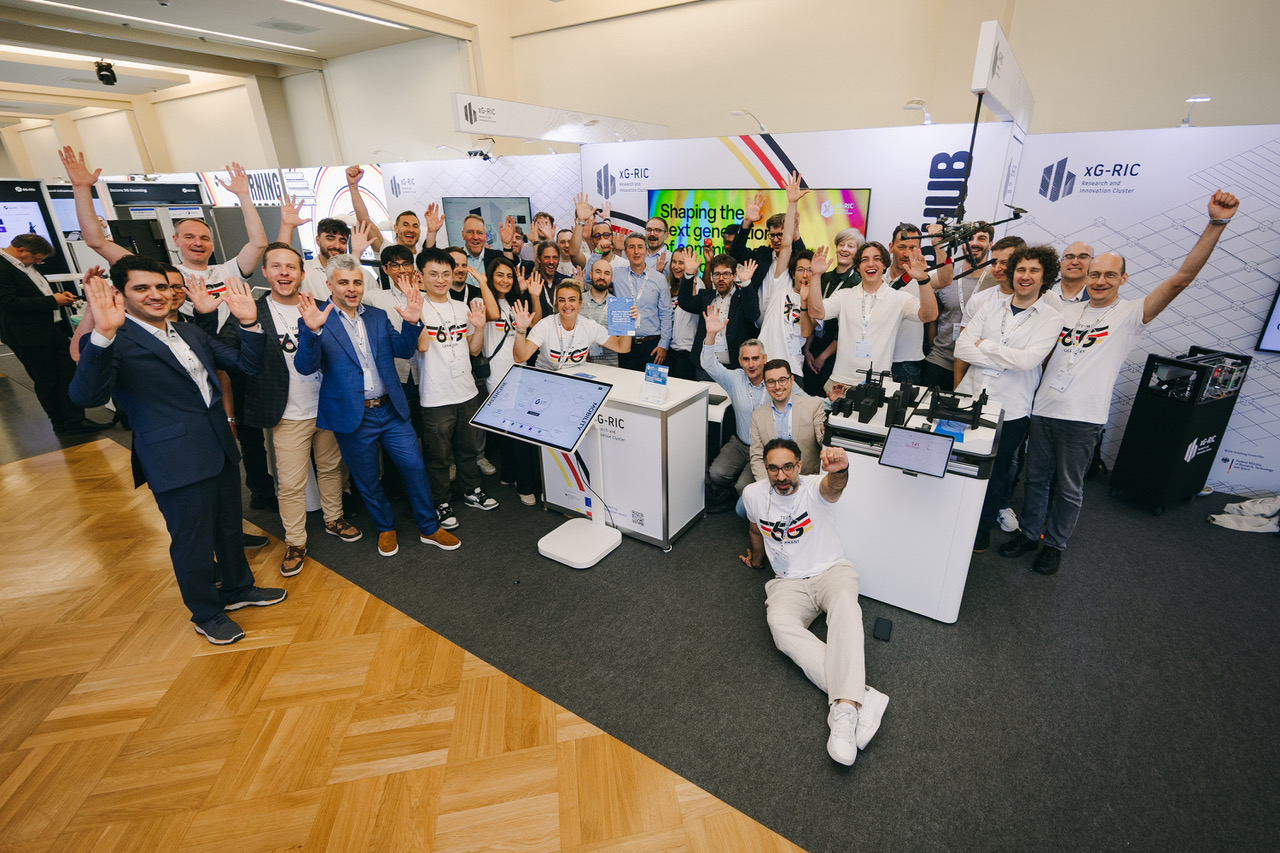
The Berlin 6G Conference 2026 is underway, bringing together the national and international 6G community in the heart of Berlin to discuss, demonstrate and shape the next generation of communication technologies.
We were delighted to see the conference opened by Dorothee Bär, Federal Minister of Research, Technology and Space, sending a strong signal for the importance of 6G research, technology transfer and technological sovereignty in Germany and Europe.
For xG-RIC, these three days are all about one central mission: 𝗯𝗿𝗶𝗻𝗴𝗶𝗻𝗴 𝗰𝘂𝘁𝘁𝗶𝗻𝗴-𝗲𝗱𝗴𝗲 𝟲𝗚 𝗿𝗲𝘀𝗲𝗮𝗿𝗰𝗵 𝗶𝗻𝘁𝗼 𝗿𝗲𝗮𝗹-𝘄𝗼𝗿𝗹𝗱 𝗮𝗽𝗽𝗹𝗶𝗰𝗮𝘁𝗶𝗼𝗻𝘀.
Coordinated by Prof. Slawomir Stanczak from Fraunhofer Heinrich Hertz Institute HHI and Technische Universität Berlin, xG-RIC brings together leading research and application partners to accelerate innovation for the medicine and mobility of the future.
And here at the Berlin 6G Conference, you can experience these technologies live:
𝗖𝗼𝗻𝗻𝗲𝗰𝘁𝗲𝗱 𝗺𝗲𝗱𝗶𝗰𝗶𝗻𝗲 𝗮𝗻𝗱 𝗿𝗼𝗯𝗼𝘁𝗶𝗰𝘀
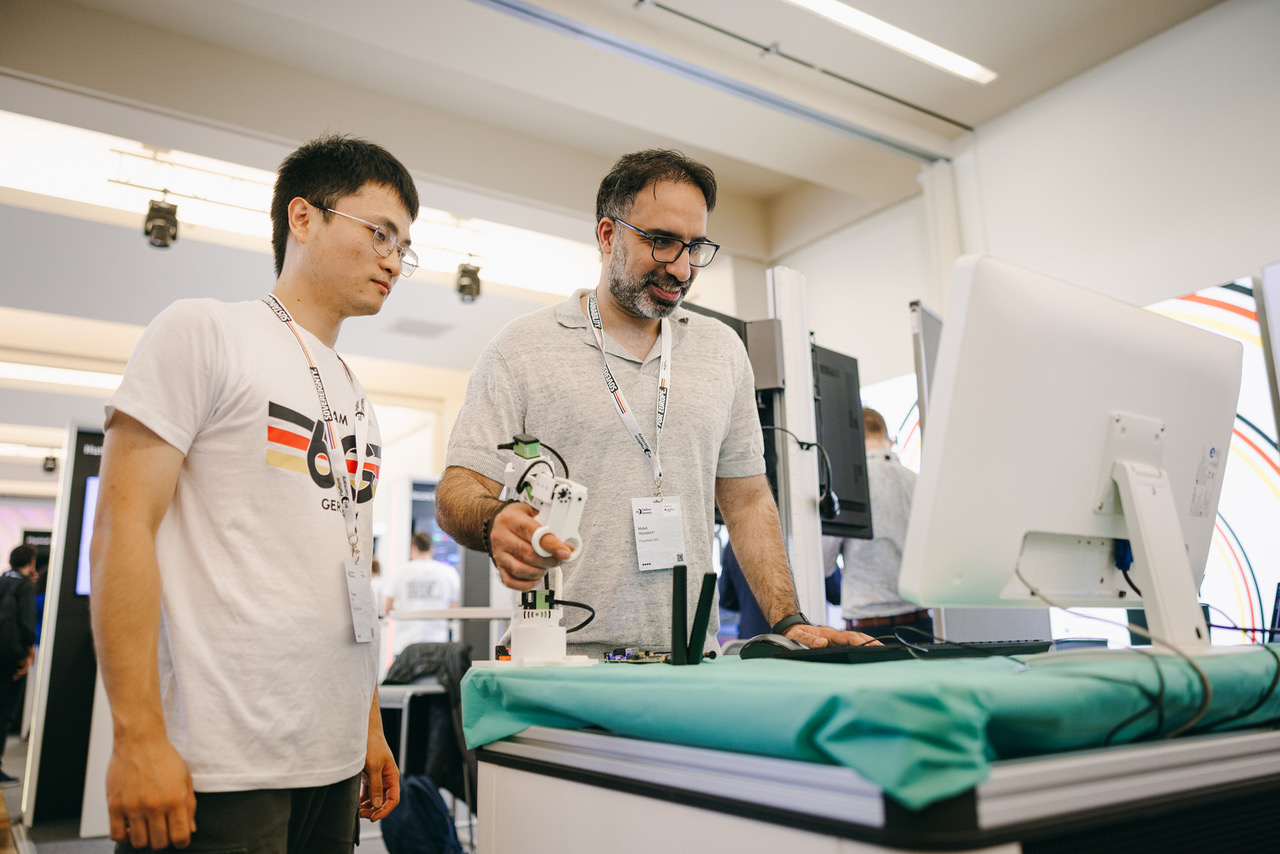
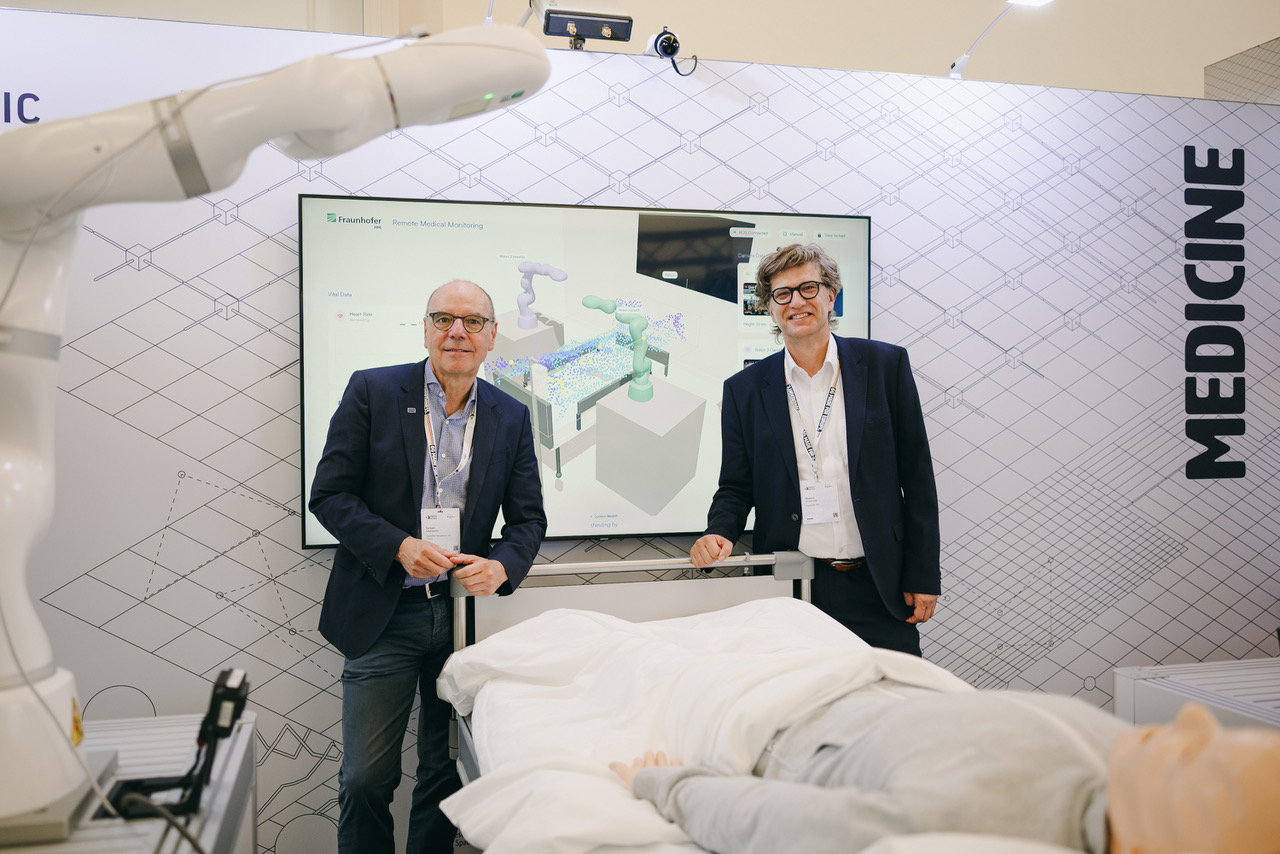
Fraunhofer Heinrich Hertz Institute HHI and Charite Berlin demonstrate a hospital scenario combining robotic assistance, mobile robotic systems, LiDAR-based visualization and sub-THz Integrated Sensing and Communication (ISAC) for high-precision sensing and real-time interaction.
𝗠𝘂𝗹𝘁𝗶-𝗯𝗮𝗻𝗱 𝘀𝗲𝗻𝘀𝗶𝗻𝗴 𝗮𝗻𝗱 𝗰𝗼𝗺𝗺𝘂𝗻𝗶𝗰𝗮𝘁𝗶𝗼𝗻
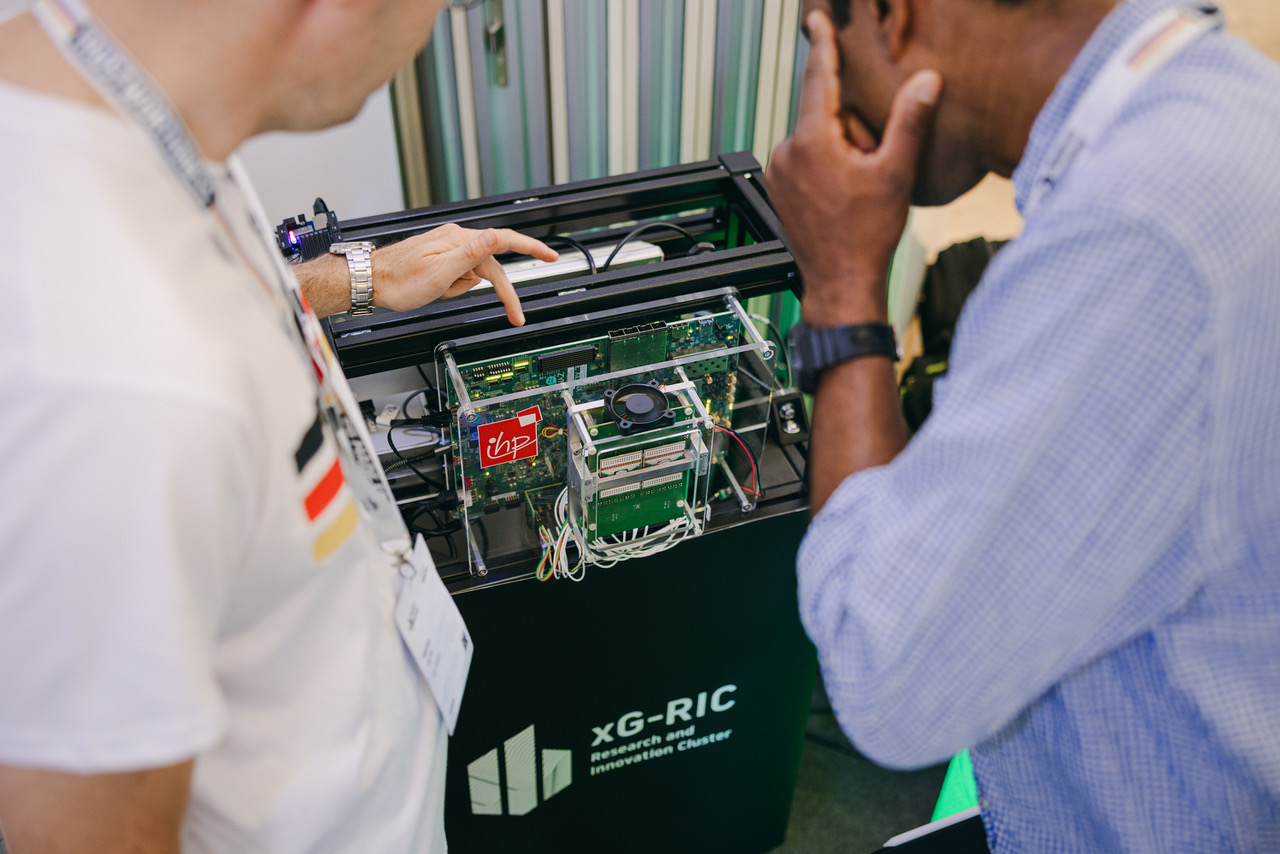
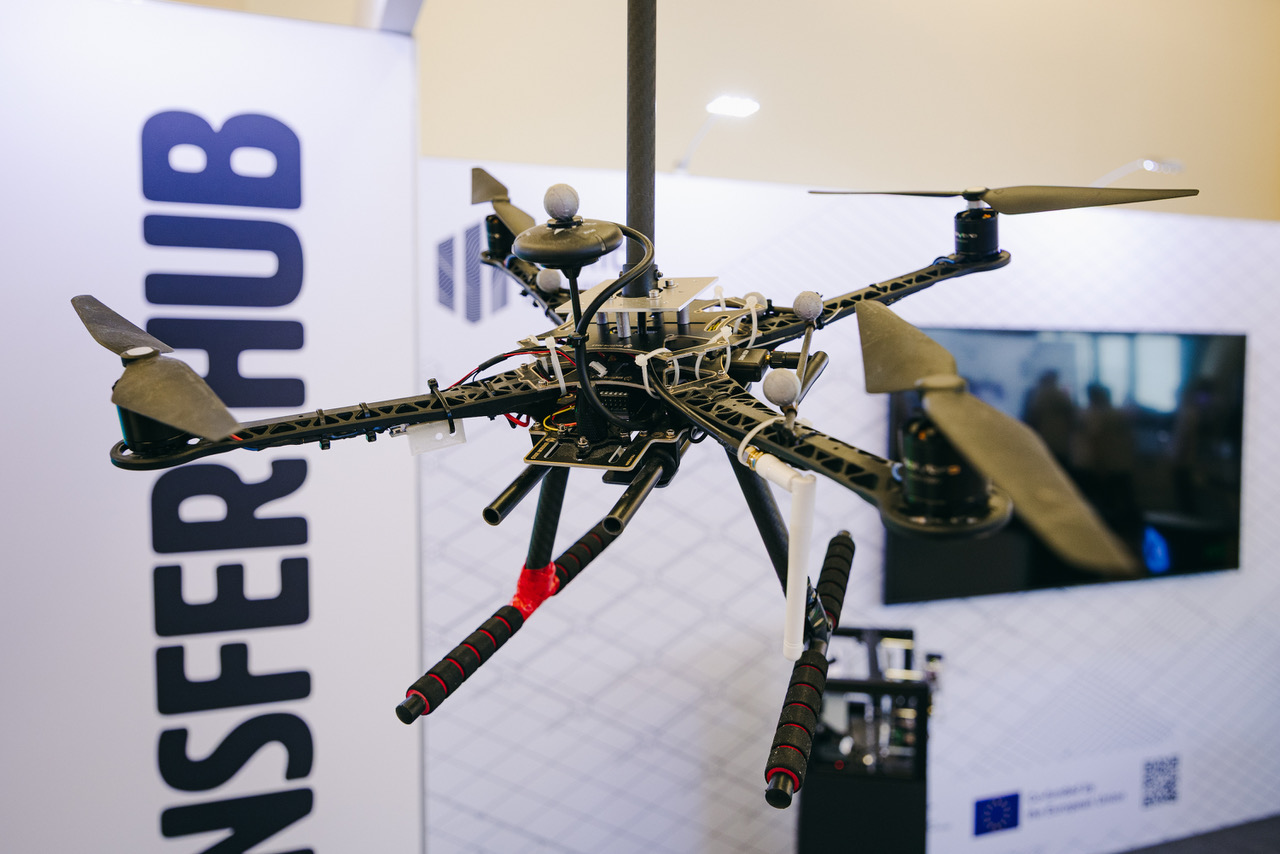
Fraunhofer Heinrich Hertz Institute HHI and IHP – Leibniz Institute for High Performance Microelectronics demonstrate an ISAC system integrating FR1 and FR2 technologies for future mobility and autonomous systems.
𝗖𝗿𝗶𝘁𝗶𝗰𝗮𝗹 𝗶𝗻𝗳𝗿𝗮𝘀𝘁𝗿𝘂𝗰𝘁𝘂𝗿𝗲 𝗺𝗼𝗻𝗶𝘁𝗼𝗿𝗶𝗻𝗴 𝘃𝗶𝗮 𝗡𝗧𝗡
Deutsches Zentrum für Luft- und Raumfahrt (DLR) presents satellite-enabled remote monitoring based on distributed IoT sensors and Non-Terrestrial Networks.
𝗥𝗮𝗱𝗶𝗼-𝗯𝗮𝘀𝗲𝗱 𝗽𝗼𝘀𝗶𝘁𝗶𝗼𝗻𝗶𝗻𝗴
Fraunhofer IIS demonstrates channel charting as a data-driven approach to robust and infrastructure-efficient positioning.
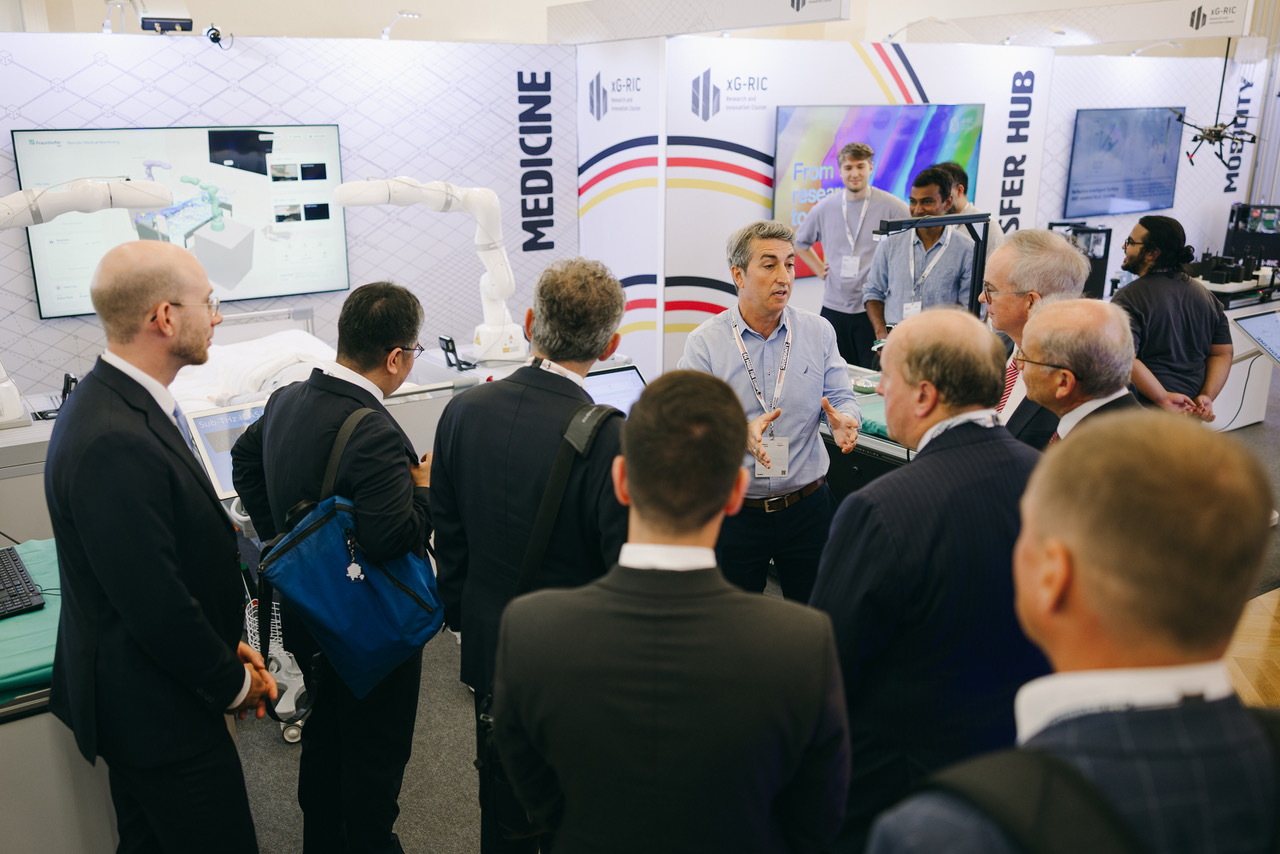
Four demonstration areas, one common goal: making 6G technology tangible and accelerating its transfer from research into practice. But xG-RIC’s contribution goes far beyond the exhibition floor. Our researchers and colleagues are actively shaping the Berlin 6G Conference across 𝗲𝗹𝗲𝘃𝗲𝗻 𝗰𝗼𝗻𝗳𝗲𝗿𝗲𝗻𝗰𝗲 𝘀𝗲𝘀𝘀𝗶𝗼𝗻𝘀.
A big thank you to Slawomir Stanczak, Igor Bjelakovic, Henrike Wissing, Ehsan Tohidi, Zoran Utkovski, Kenan Turbic, Matthias Mehlhose, Johannes Dommel, Renato Luis Garrido Cavalcante, Michael Peter, Ramez Askar and Volker Jungnickel for presenting, discussing and sharing their expertise throughout the conference.Their contributions span AI-supported radio access networks, channel measurement and modeling, open-source wireless systems, Physical AI, flexible network architectures and other key technologies paving the way towards 6G. None of this would be possible without our strong xG-RIC consortium. A huge thank you to our partners: Deutsches Zentrum für Luft- und Raumfahrt (DLR), Technische Universität Berlin, Deutsches Herzzentrum der Charité (DHZC), FAU Erlangen-Nürnberg, Fraunhofer Heinrich Hertz Institute HHI, Fraunhofer IAF, Fraunhofer IIS, IHP – Leibniz Institute for High Performance Microelectronics and Technische Universität Braunschweig.
xG-RIC is funded by the Bundesministerium für Forschung, Technologie und Raumfahrt (BMFTR) and administered by VDI/VDE Innovation + Technik GmbH on behalf of the BMFTR. We greatly appreciate their continued support in advancing Germany’s 6G research and innovation ecosystem. xG-RIC is also part of a broader national mission. Together with the 6G-Plattform and our fellow German 6G transfer hubs 6GEM+, 6G-life and Open6GHub+, we are working to bridge the gap between excellent research, technological innovation and industrial application.
𝗖𝗼𝗺𝗲 𝗮𝗻𝗱 𝗺𝗲𝗲𝘁 𝘂𝘀 𝗮𝘁 𝗕𝗼𝗼𝘁𝗵 𝗕𝟯𝟮
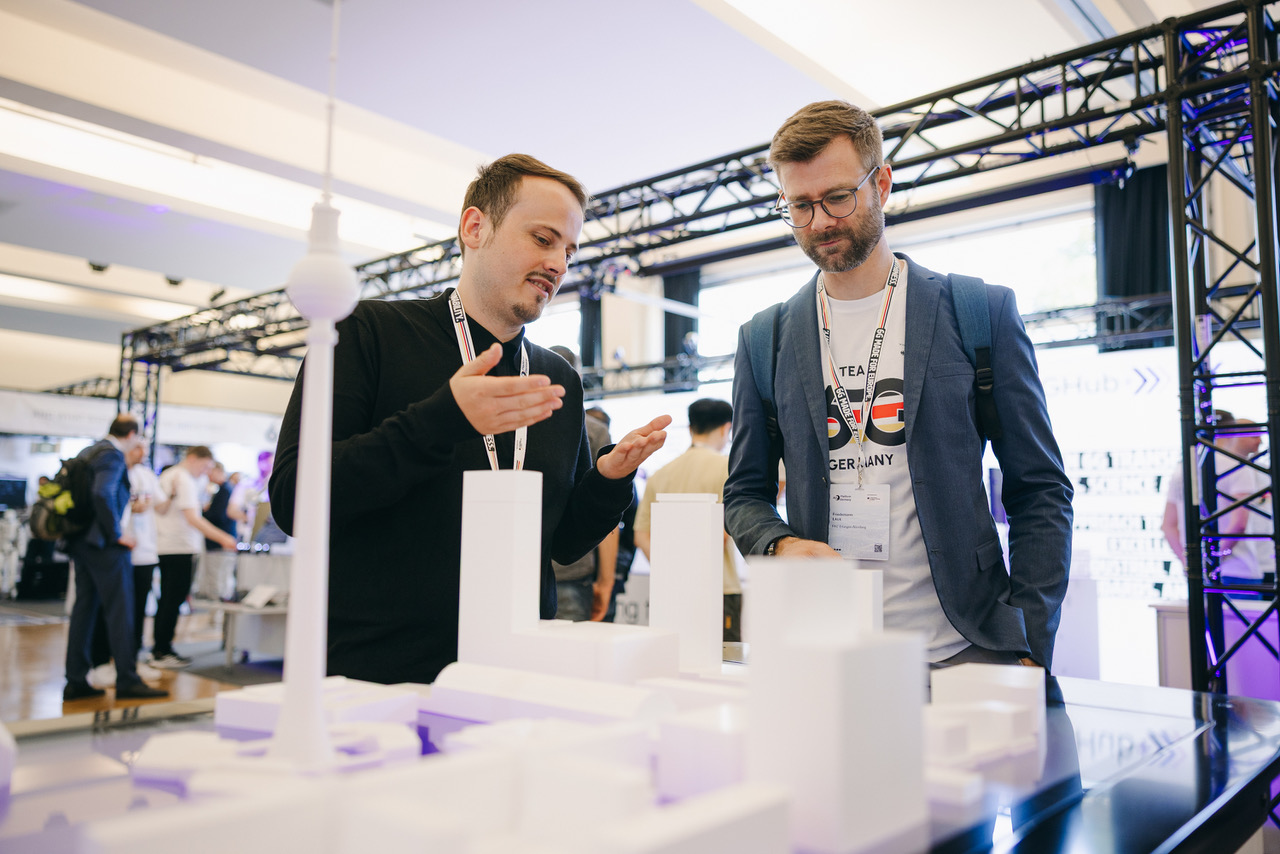
Experience our demos, meet the people behind the technologies and discover how 6G research is moving from the lab into practice.
Don’t miss our latest publication on Sub-THz Mobile Access and discover the new 6G-RIC book series.


The Berlin 6G Conference 2026 is underway, bringing together the national and international 6G community in the heart of Berlin to discuss, demonstrate and shape the next generation of communication technologies.
We were delighted to see the conference opened by Dorothee Bär, Federal Minister of Research, Technology and Space, sending a strong signal for the importance of 6G research, technology transfer and technological sovereignty in Germany and Europe.
For xG-RIC, these three days are all about one central mission: 𝗯𝗿𝗶𝗻𝗴𝗶𝗻𝗴 𝗰𝘂𝘁𝘁𝗶𝗻𝗴-𝗲𝗱𝗴𝗲 𝟲𝗚 𝗿𝗲𝘀𝗲𝗮𝗿𝗰𝗵 𝗶𝗻𝘁𝗼 𝗿𝗲𝗮𝗹-𝘄𝗼𝗿𝗹𝗱 𝗮𝗽𝗽𝗹𝗶𝗰𝗮𝘁𝗶𝗼𝗻𝘀.
Coordinated by Prof. Slawomir Stanczak from Fraunhofer Heinrich Hertz Institute HHI and Technische Universität Berlin, xG-RIC brings together leading research and application partners to accelerate innovation for the medicine and mobility of the future.
And here at the Berlin 6G Conference, you can experience these technologies live:
𝗖𝗼𝗻𝗻𝗲𝗰𝘁𝗲𝗱 𝗺𝗲𝗱𝗶𝗰𝗶𝗻𝗲 𝗮𝗻𝗱 𝗿𝗼𝗯𝗼𝘁𝗶𝗰𝘀
Fraunhofer Heinrich Hertz Institute HHI and Charite Berlin demonstrate a hospital scenario combining robotic assistance, mobile robotic systems, LiDAR-based visualization and sub-THz Integrated Sensing and Communication (ISAC) for high-precision sensing and real-time interaction.
𝗠𝘂𝗹𝘁𝗶-𝗯𝗮𝗻𝗱 𝘀𝗲𝗻𝘀𝗶𝗻𝗴 𝗮𝗻𝗱 𝗰𝗼𝗺𝗺𝘂𝗻𝗶𝗰𝗮𝘁𝗶𝗼𝗻
Fraunhofer Heinrich Hertz Institute HHI and IHP – Leibniz Institute for High Performance Microelectronics demonstrate an ISAC system integrating FR1 and FR2 technologies for future mobility and autonomous systems.
𝗖𝗿𝗶𝘁𝗶𝗰𝗮𝗹 𝗶𝗻𝗳𝗿𝗮𝘀𝘁𝗿𝘂𝗰𝘁𝘂𝗿𝗲 𝗺𝗼𝗻𝗶𝘁𝗼𝗿𝗶𝗻𝗴 𝘃𝗶𝗮 𝗡𝗧𝗡
Deutsches Zentrum für Luft- und Raumfahrt (DLR) presents satellite-enabled remote monitoring based on distributed IoT sensors and Non-Terrestrial Networks.
𝗥𝗮𝗱𝗶𝗼-𝗯𝗮𝘀𝗲𝗱 𝗽𝗼𝘀𝗶𝘁𝗶𝗼𝗻𝗶𝗻𝗴
Fraunhofer IIS demonstrates channel charting as a data-driven approach to robust and infrastructure-efficient positioning.
Four demonstration areas, one common goal: making 6G technology tangible and accelerating its transfer from research into practice. But xG-RIC’s contribution goes far beyond the exhibition floor. Our researchers and colleagues are actively shaping the Berlin 6G Conference across 𝗲𝗹𝗲𝘃𝗲𝗻 𝗰𝗼𝗻𝗳𝗲𝗿𝗲𝗻𝗰𝗲 𝘀𝗲𝘀𝘀𝗶𝗼𝗻𝘀.
A big thank you to Slawomir Stanczak, Igor Bjelakovic, Henrike Wissing, Ehsan Tohidi, Zoran Utkovski, Kenan Turbic, Matthias Mehlhose, Johannes Dommel, Renato Luis Garrido Cavalcante, Michael Peter, Ramez Askar and Volker Jungnickel for presenting, discussing and sharing their expertise throughout the conference.Their contributions span AI-supported radio access networks, channel measurement and modeling, open-source wireless systems, Physical AI, flexible network architectures and other key technologies paving the way towards 6G. None of this would be possible without our strong xG-RIC consortium. A huge thank you to our partners: Deutsches Zentrum für Luft- und Raumfahrt (DLR), Technische Universität Berlin, Deutsches Herzzentrum der Charité (DHZC), FAU Erlangen-Nürnberg, Fraunhofer Heinrich Hertz Institute HHI, Fraunhofer IAF, Fraunhofer IIS, IHP – Leibniz Institute for High Performance Microelectronics and Technische Universität Braunschweig.
xG-RIC is funded by the Bundesministerium für Forschung, Technologie und Raumfahrt (BMFTR) and administered by VDI/VDE Innovation + Technik GmbH on behalf of the BMFTR. We greatly appreciate their continued support in advancing Germany’s 6G research and innovation ecosystem. xG-RIC is also part of a broader national mission. Together with the 6G-Plattform and our fellow German 6G transfer hubs 6GEM+, 6G-life and Open6GHub+, we are working to bridge the gap between excellent research, technological innovation and industrial application.
𝗖𝗼𝗺𝗲 𝗮𝗻𝗱 𝗺𝗲𝗲𝘁 𝘂𝘀 𝗮𝘁 𝗕𝗼𝗼𝘁𝗵 𝗕𝟯𝟮
Experience our demos, meet the people behind the technologies and discover how 6G research is moving from the lab into practice.
Don’t miss our latest publication on Sub-THz Mobile Access and discover the new 6G-RIC book series.


Funded BY

Supported BY

Info
Contact
Fraunhofer Heinrich-Hertz-Institut, HHI
Prof. Dr.-Ing. Slawomir Stanczak
Einsteinufer 37
D–10587 Berlin
Links

Funded BY

Supported BY

Info
Fraunhofer Heinrich-Hertz-Institut, HHI
Prof. Dr.-Ing. Slawomir Stanczak
Einsteinufer 37
D–10587 Berlin
Contact
Links